
The Business Case for AI Safety
Research from Wharton's Professor Ethan Mollick shows that over 50% of workers now use AI at work — most without telling their employer. A 2024 LinkedIn/Microsoft study found 75% of non-manual workers are using AI, often via personal accounts. They report 3× productivity gains but won't disclose them, fearing punishment.
Under UK GDPR, one accidental paste of patient data or a live contract is not a "learning moment" — it is a business incident.
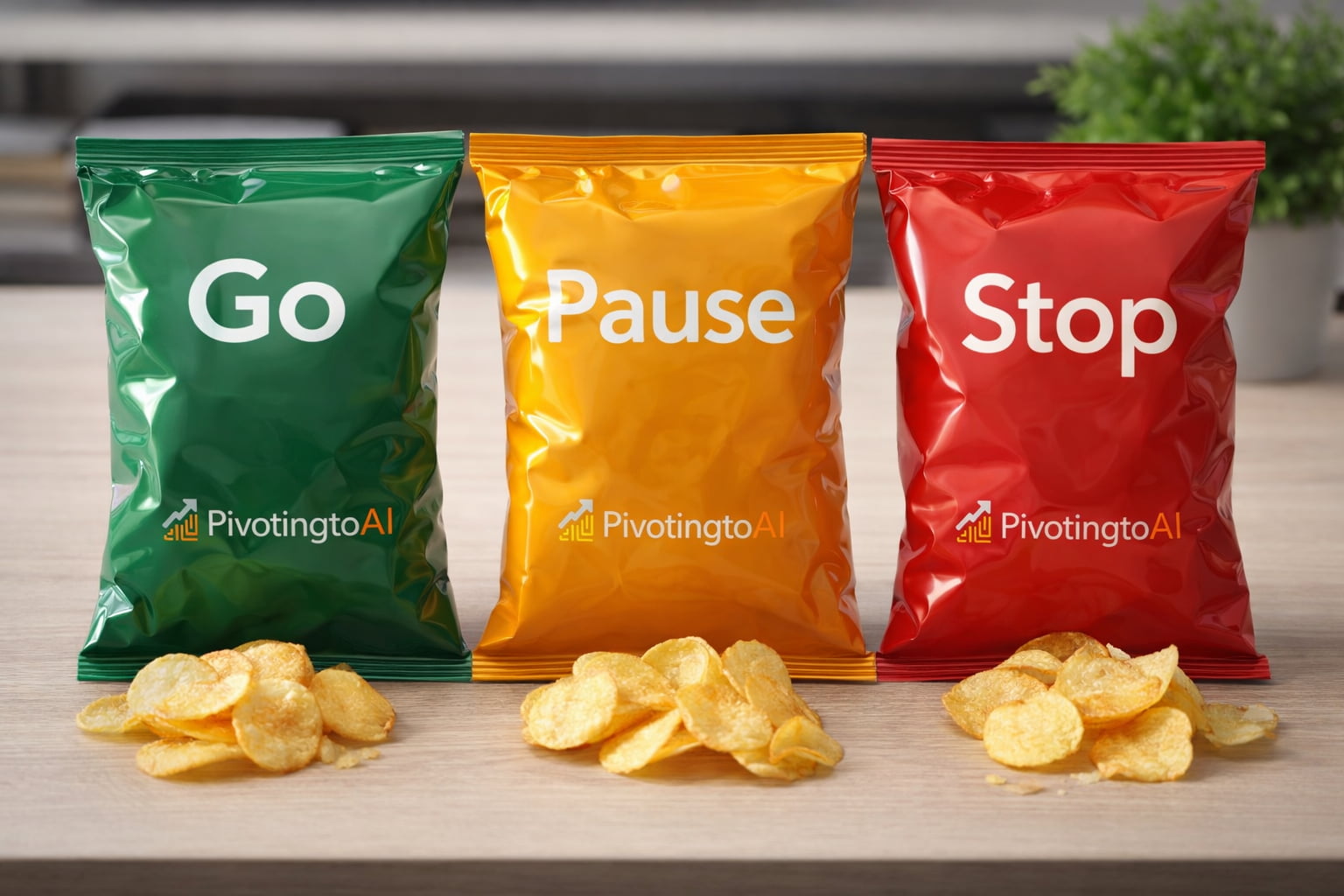
The Methodology: The RAG Rule
We do not teach complex theory. We teach a simple pre-flight check that lives in your staff's heads. Before they type, they ask: "What colour is this data?"
Result: No data breach.
Result: Safe processing of internal work.
Result: High speed productivity.
Combined with the Sat-Nav Rule (Copilot suggests, Humans decide), this reduces decision-quality failures and protects the organisation from liability claims.
The Hidden Risk
"Secret Cyborgs" — Professor Ethan Mollick, Wharton
Mollick's research reveals that organisations are "completely infiltrated" by employees using AI without disclosure. They fear that showing productivity gains will lead to layoffs or increased workload. Your most productive staff are operating outside your governance framework — using personal accounts, on unvetted tools, with no audit trail.
Our RAG Rule gives them a safe, sanctioned way to work — inside your rules, inside your tenant, with a clear audit trail.
Instead of banning AI and driving usage underground, give your staff clear boundaries and the confidence to use it properly.
The Financial Case
Regulatory peace and reduced risk are the primary drivers, but the productivity ROI is immediate. Here is the model for a typical 100-person organisation.
| Item | Assumption | Impact |
|---|---|---|
| Training Investment | 100 people @ £40–80/head | (£4,000 – £8,000) |
| Avoided Breach | 80% risk reduction (Avg breach cost £4.24m) | ~£2.7m risk avoidance |
| Reduced Audit Friction | 20% reduction in auditor overhead | +£15,000 / year |
| Productivity Gain | 5% efficiency gain for 80 active users | +£80,000 / year |
| Net First Year Benefit | Conservative Estimate | +£89,000 (Payback < 1 month) |
Delivery Formats
We assume competence. We skip the beginner fluff and get straight to safety and sector-specific application.
- → Instructor-led (1.5 - 2 Hours): Best for high-risk teams. Includes live Q&A, sector scenario testing, and team discussion.
- → Self-Paced E-Learning (45 Mins): SCORM compliant. Branching scenarios. Knowledge checks. scalable for large workforces.
- → Blended: Self-paced launch followed by a live "Surgery" session to handle specific governance questions.
Need the full business case?
Download the detailed report (PDF) including ICO references, full risk analysis, and implementation roadmap to present to your board or risk committee.
Ready to secure your workforce?
Book a 30-minute sanity check. We'll discuss your current toolset and compliance gaps.
Book a 30-min Call